
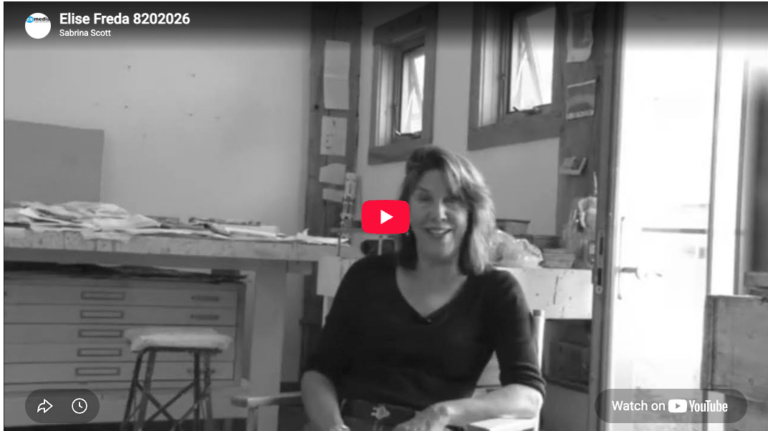
Filmed in Brooklyn, NY
Kate Salvi
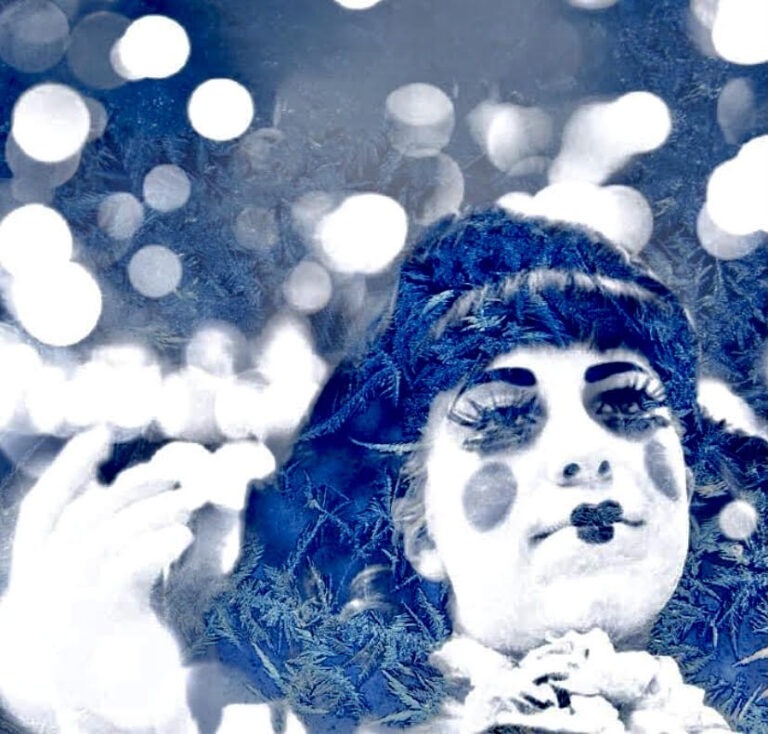
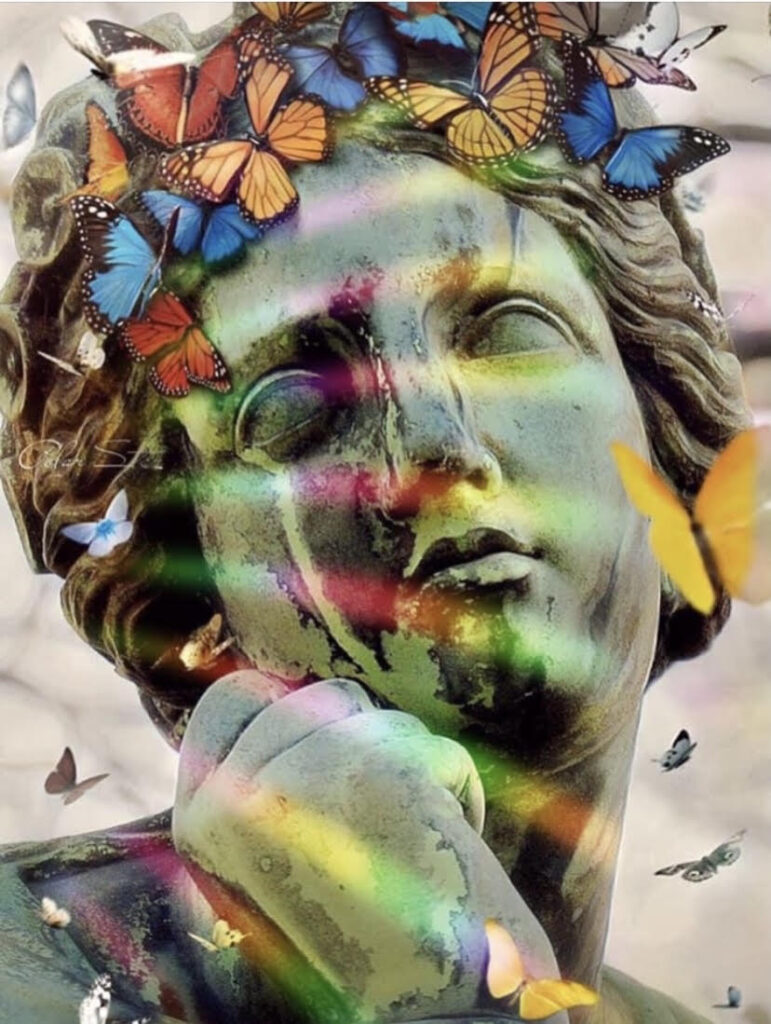
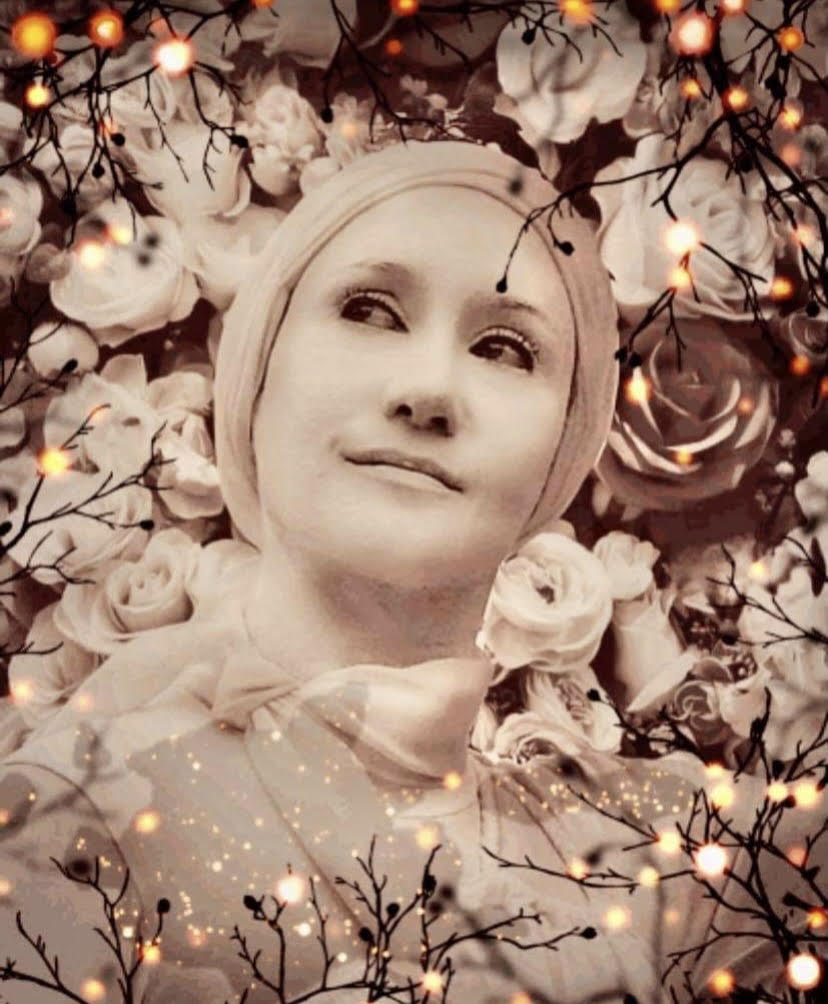
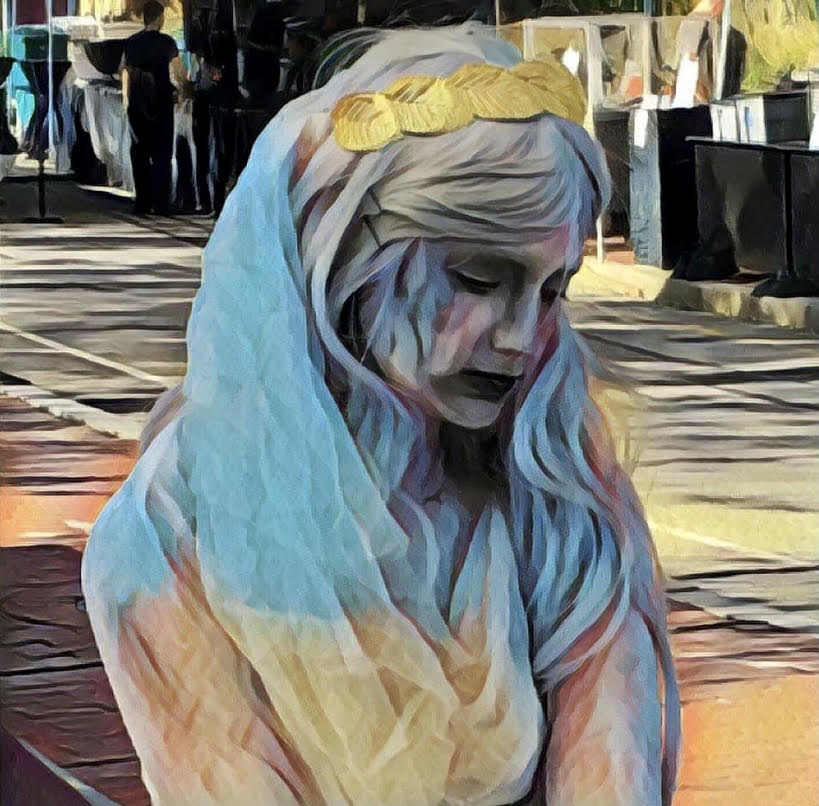
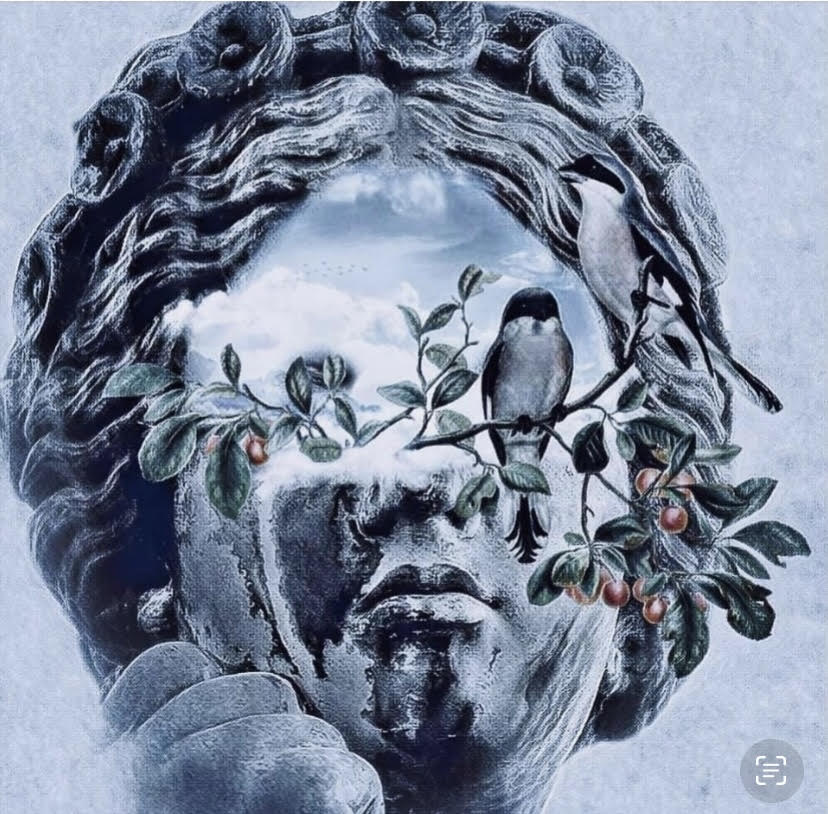
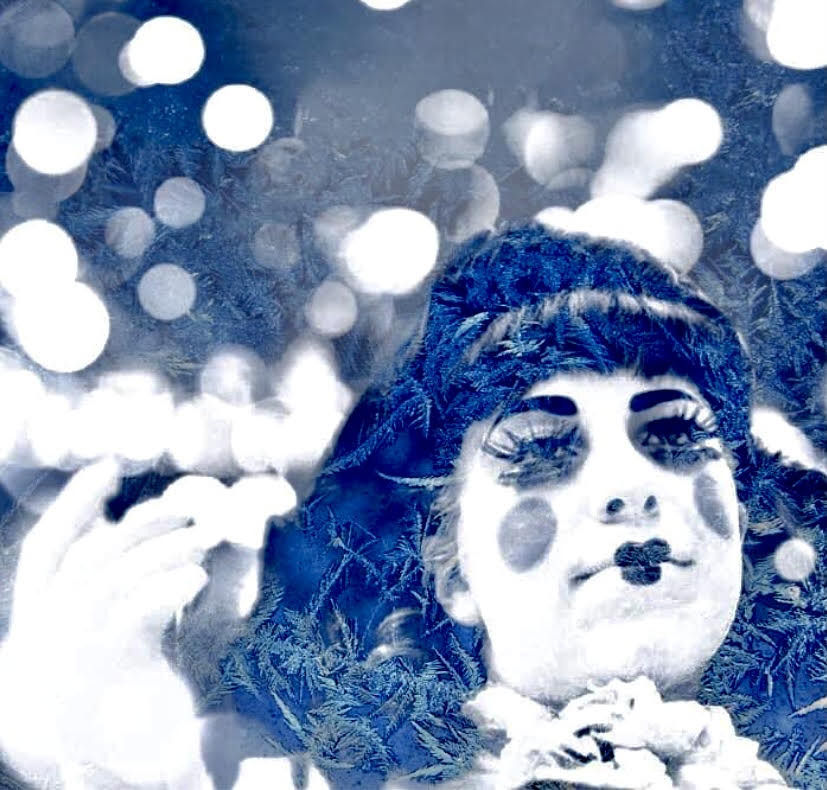
Kate Salvi is a resident of Providence, RI. She runs a photo greeting card business in RI and MA. Kate has had her abstract paintings and photographs published and exhibited internationally. She is in the process of expanding her card business.
Destiny + Amnesia = D E S T I N E S I A

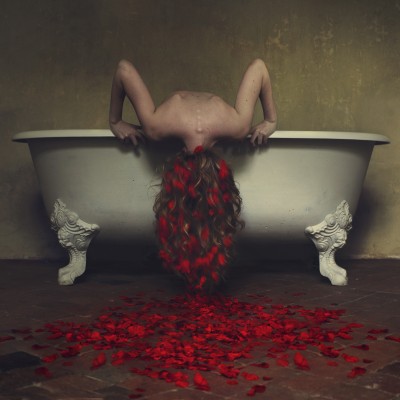
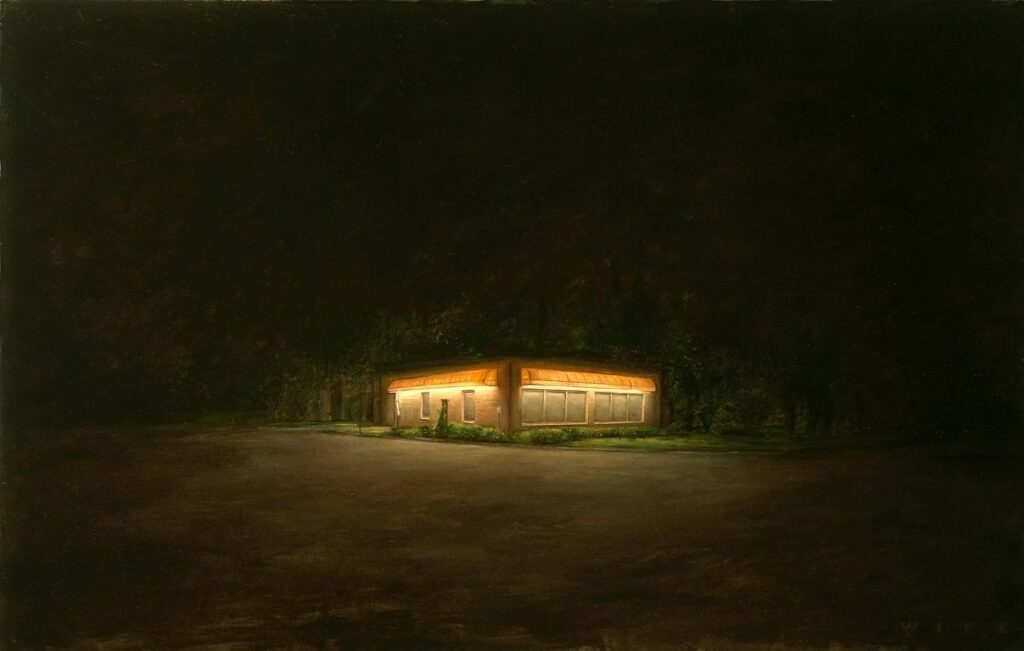
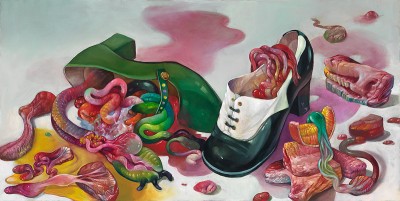
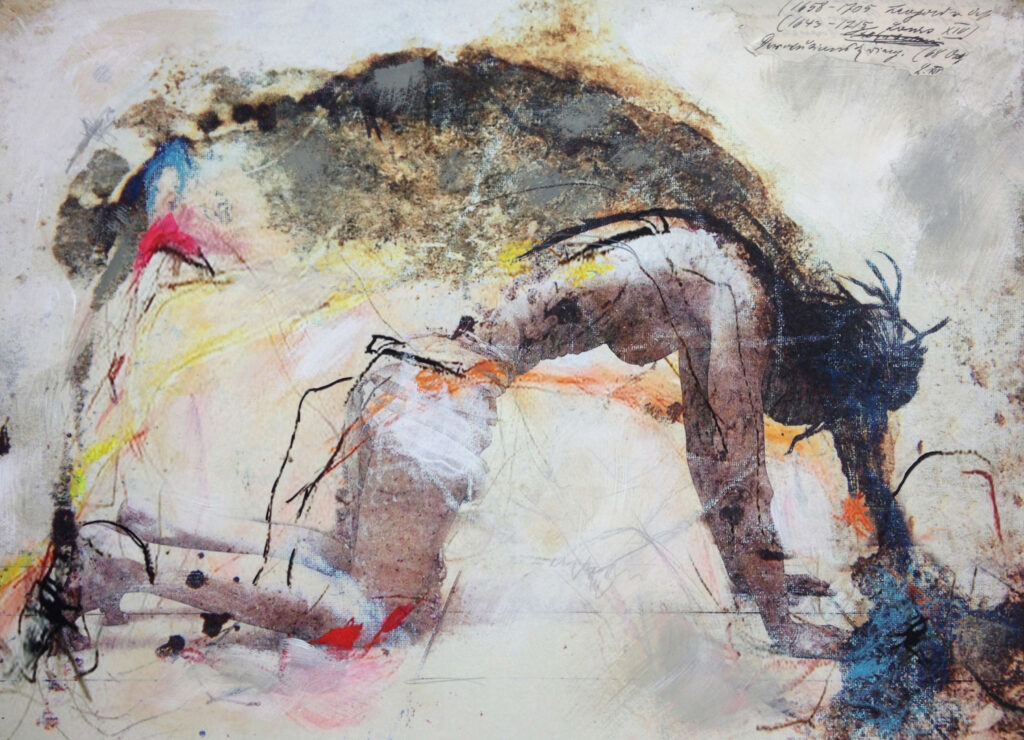
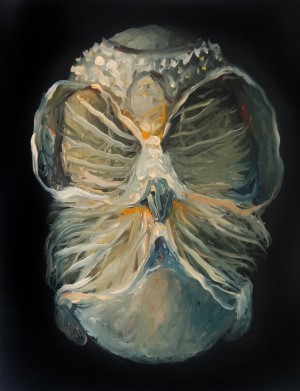

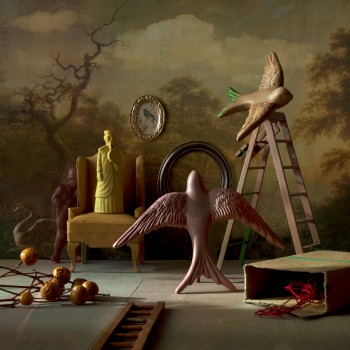
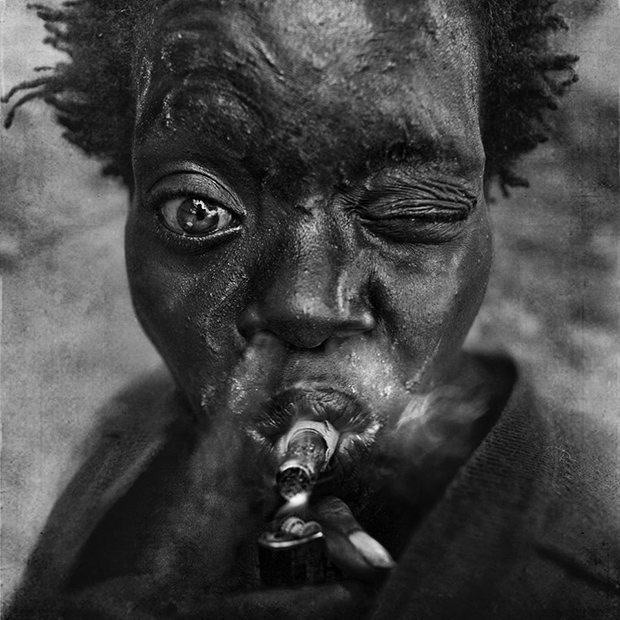
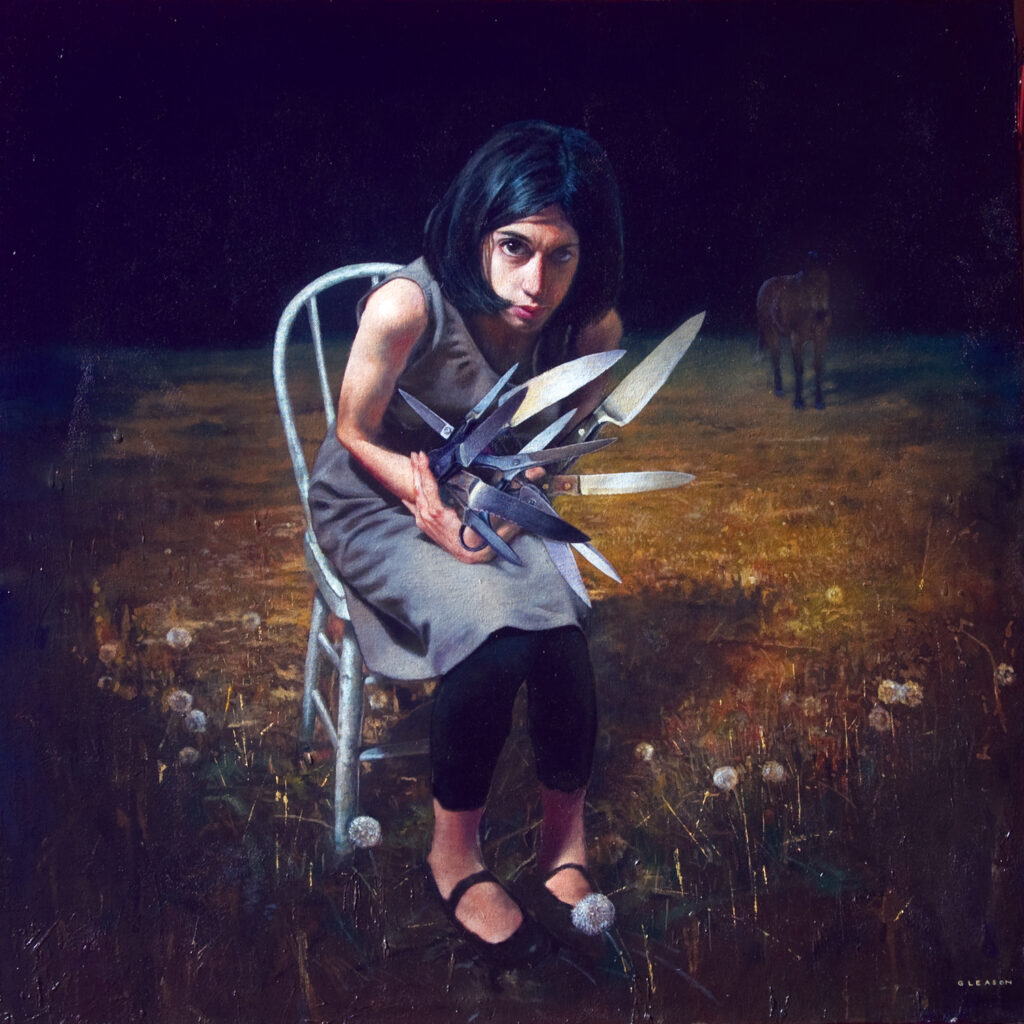
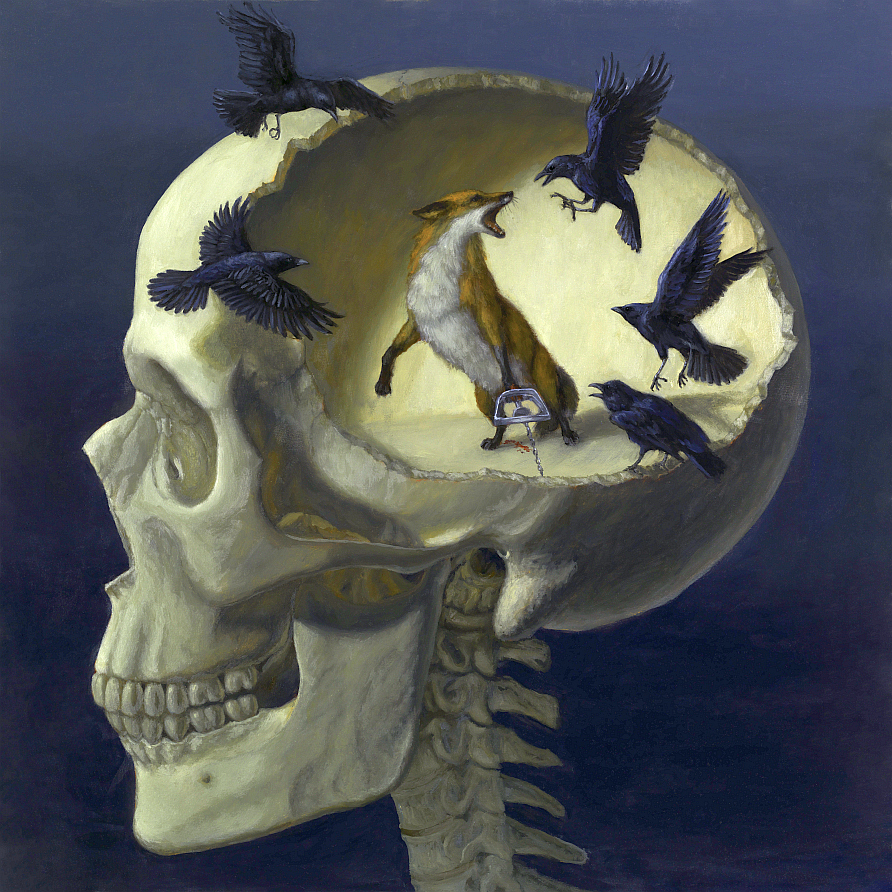
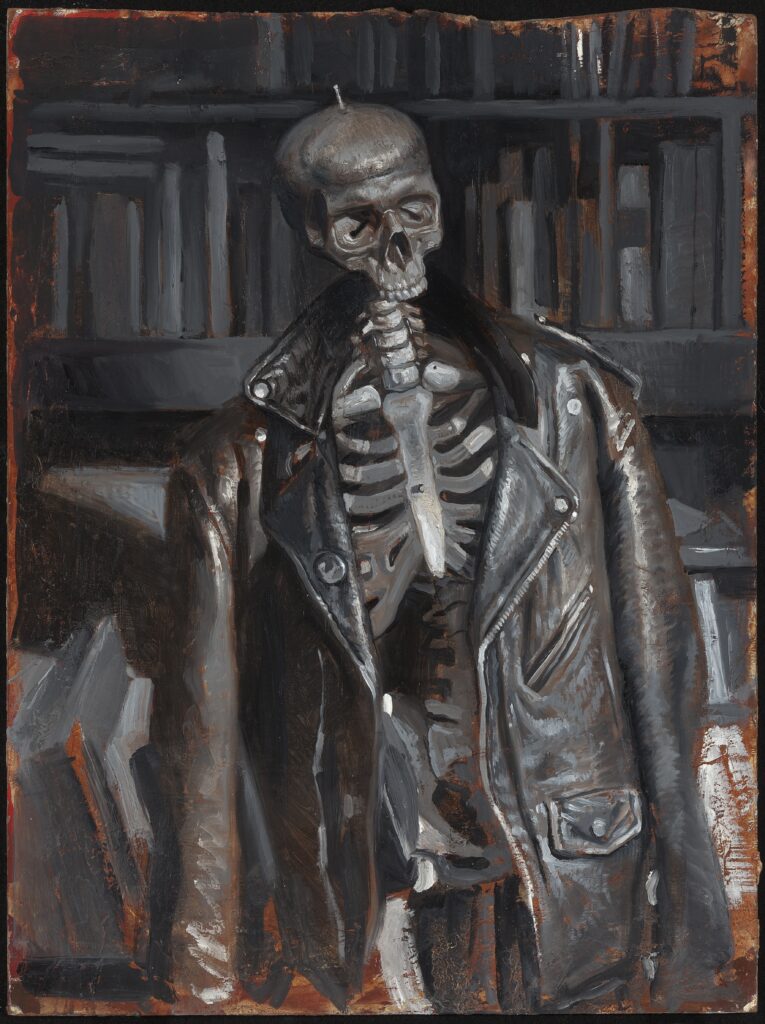
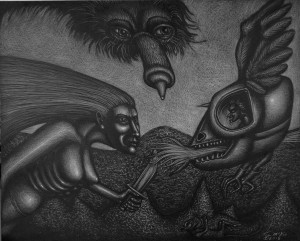
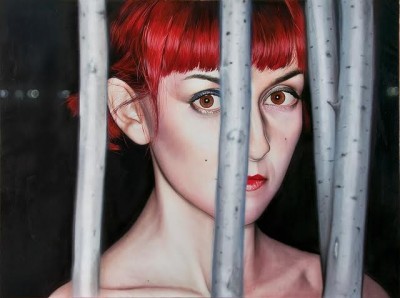
Curatorial Statement
By DH Dowling
Curator, Destinesia at Stephen Romano Gallery, NYC
-
Destinesia
There is a realm that is known to artists. It is a realm where night is luminous. Where forgetting is powerful. A place where all must lose their way—
Destiny + Amnesia = Destinesia.
We lose ourselves to find ourselves.
We peer through a lens; commit brush to canvas; juxtapose images—here the work is fierce and exuberant. We extend the boundaries of self. We stare down oblivion.
Destinesia is a hypnagogic state, bordering on sleep, rich in theta waves, where dreams and reality mix. Here, we make contact with the creative spirit and converse with the elusive muse. Here, we find the courage to create.
Destinesia is the realm of daydreams. Here, we let go. Shatter the routine. Question. Spark. Illuminate. Answer. Here, we have epiphanies. Lose our self-consciousness. Risk it all. Here, everything breaks apart and snaps together. Here, we delve in the dark. Here, we light up like neon. Here, we are in love with anarchy. Here, we are free.
In Destinesia, we forget to remember. What is created lives forever. The mystery is deepened.
Art makes us see.
The Exhibit
From the hauntingly beautiful to the vividly voyeuristic, Destinesia delivers a powerful collective transcendence.
Assembled here for the first time, 33 trailblazing artists—from Spain, Poland, Italy, Germany, Sweden, Montreal, England, and the US—unmask the world we really live in.
This is an unprecedented group of amazing artists. They are abstract expressionists, surrealists, minimalists, hyperrealists, representationalists, illustrators, collagists, sculptors, poets.
The work is analog and digital; spiritual and secular. They use oil on canvas, colored pencil, acrylic on panel, scissors, ink, marker, spray paint, found objects, bristle brushes, palette knives, graphite & mixed media on card, computers, image sensors, film, silver nitrate, Polaroids, words, conté crayon, silverpoint, aluminum leaf, and paint on reclaimed wood with historic nails.
We are not where we thought we were.
Cross the threshold of dreams with us.
The Curator
I grew up in a perilously small house in the suburbs of Boston, Massachusetts. My father was a color-blind painter and misanthrope by genetic predisposition. He could not afford an art studio, so he worked in the kitchen of our single-family Cape every night after work.
He set up his easel in front of the camera-shy stove and committed brush to canvas, listening to Bartók or Prokofiev, exhaling sweet-smelling smoke through his nose, teeth clamped hard on the stem of his pipe like a man biting a bullet to endure unthinkable pain. He drank regional beer until he could see the future.
He taught me to observe the world around me with a thinking eye, and I developed a deep and abiding respect for artists.
“Art Makes Us See” is paraphrased from Paul Klee’s quote, “Art does not reproduce what we see; rather, it makes us see.” My father introduced me to Klee’s book, The Thinking Eye, at an early age.
Klee’s shuddering forms, supernatural hieroglyphs, and sensuous creatures had a great influence on me as a young man, quickly followed by Max Ernst and Giorgio de Chirico. These were my superheroes. They had superhuman sight. They could see through me. Through life. Through death. They saw me through adolescence into adulthood. They taught me to be fully present with eyes wide open.
Art is a secret buried in the dark.
We drag it from the shadows to disturb the peace.
The Artists
It is a privilege to present the unparalleled artists of Destinesia:
(Artist sections cleaned and formatted—ready for Gutenberg paragraph blocks)
Stephen Cefalo
The stars were aligned for Brooklyn painter Stephen Cefalo—he was born in the hometown of Albrecht Dürer on Winslow Homer’s birthday…
Pascal Janssen’s Subtle Psychedelic Melancholic Atmosphere

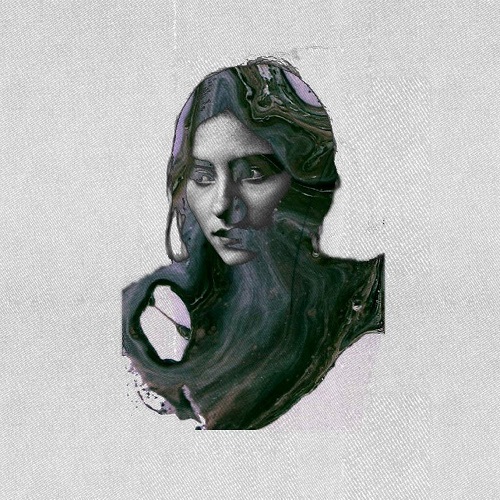
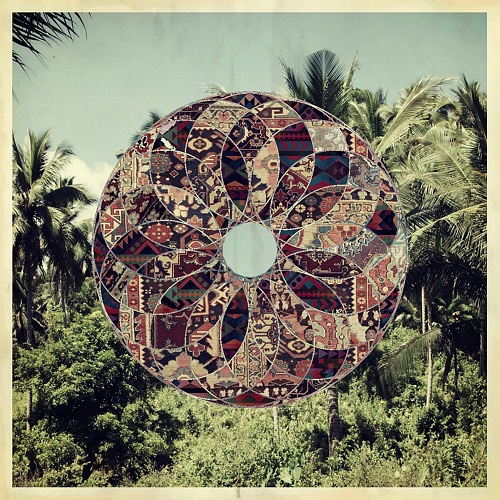
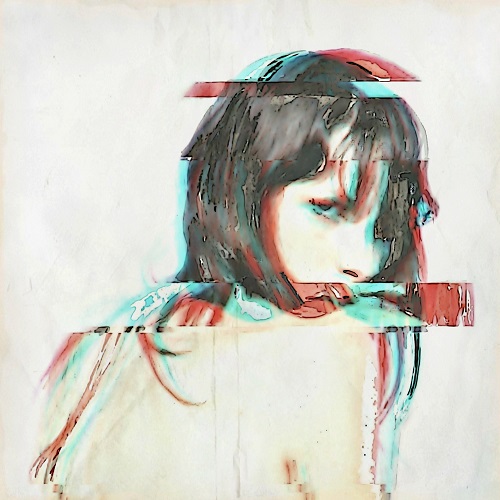
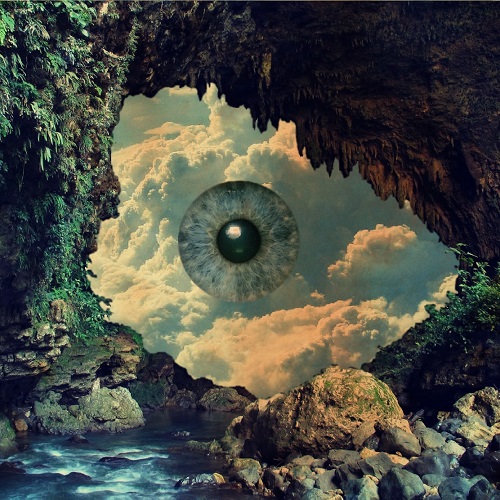
Mixed media artist Pascal Janssen’s art gallery shows his inspiration as a collage artist.
[dropcaps round=”no”]P[/dropcaps]ascal Janssen is a mixed media artist from Belgium. He mostly creates portrait paintings or psychedelic collages.
He also designs album covers for bands. Most of his artwork is based on music and its subcultures and is his inspiration to design album covers. He really wants to be a part of the music world, but is not a musician and this is how he found his way into that world.
Most of his paintings and collages have a subtle psychedelic or melancholic atmosphere which is why he also likes to work with portraits. The psychedelic and melancholic aspects are based on the human mind and how one sees themselves and the world around them. He’s interested in how that perception can be influenced by certain things such as drugs and can lead to psychosis, existential crisis, de-personalization, depression, and so on.
http://pj-art.tumblr.com/
https://www.facebook.com/
John Pate Takes Various Inks and Medium to a New Level

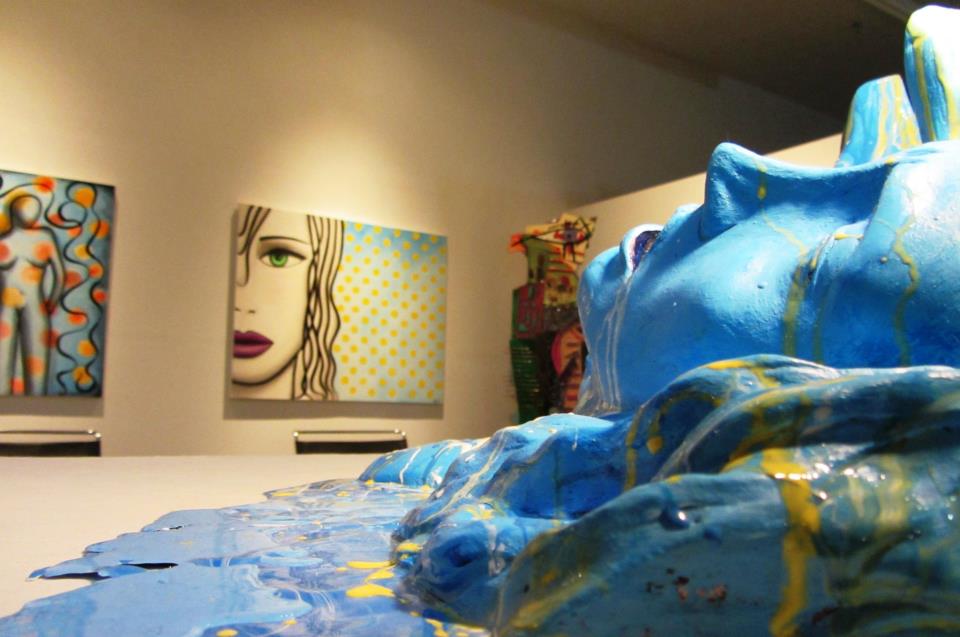
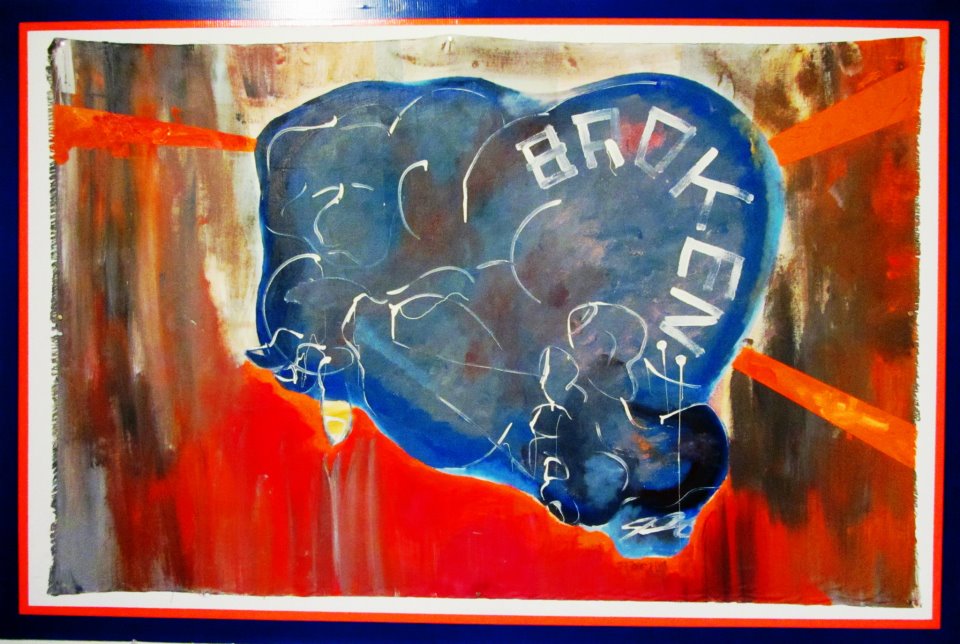
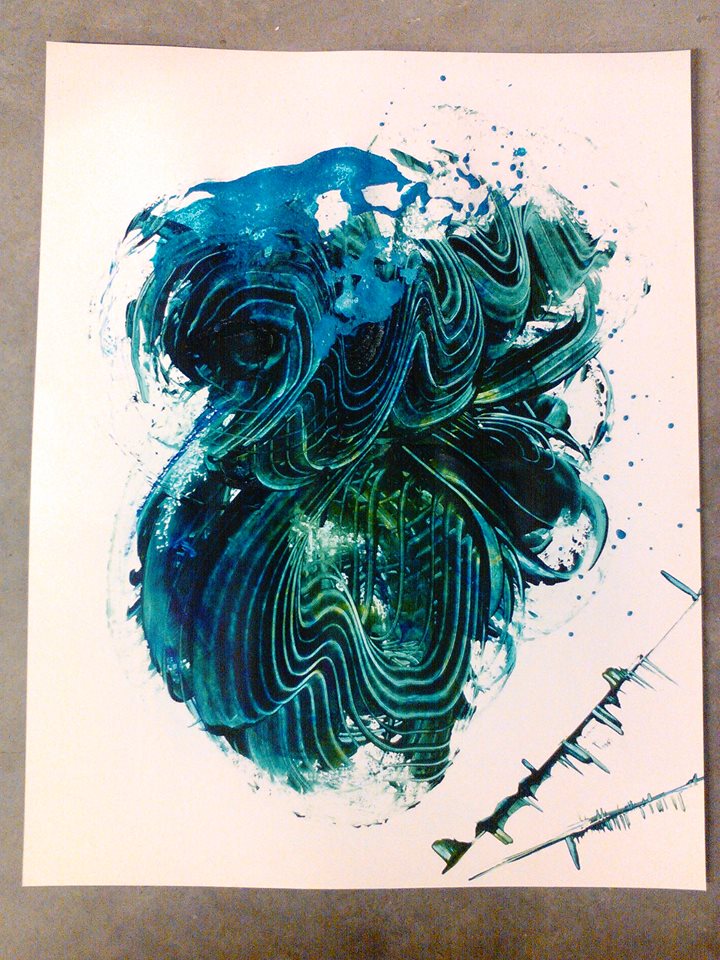
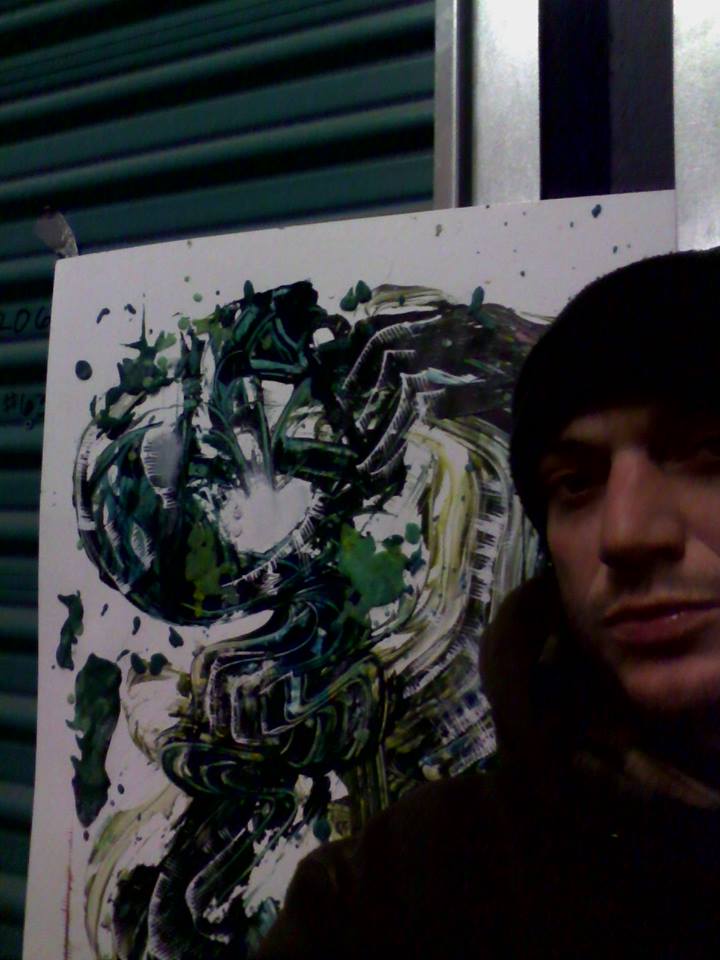
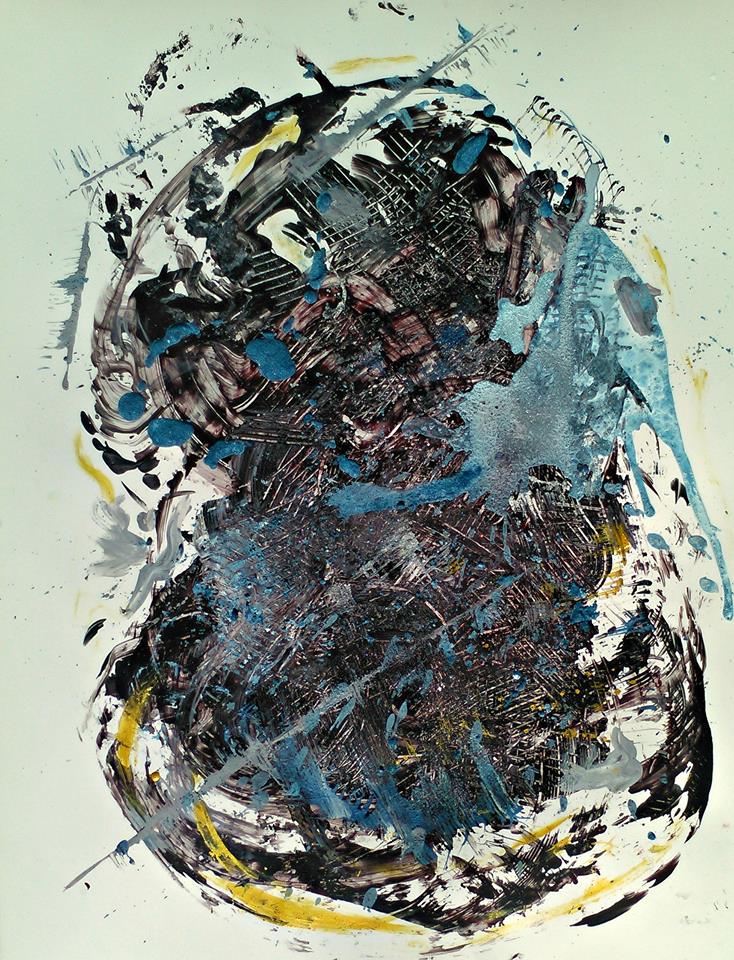
I use ink with pigments, or pigments with medium to lock them in. I also use pulverized glass, reflective beads, and shattered glass in medium.
I rarely use brushes except for touch-up; most of the work is applied with rags, pens, or sticks. I use a variety of tools—including rubber tools—to remove ink and pigments at times.
I like sculpting the ink and fluids into the place they rest for effect and application. I feel it creates a strong overall effect and translates what it is to be starving for food and tools.
The inks I use are high quality, as are the pigments and mediums. All finished pieces are varnished and UV-protected during the creative process and after completion.
The size of my ink pieces is 22″ × 28″. My paintings are much larger.
JohnPateArt@Gmail.Com
Www.JohnPateArt.Net
www.facebook.com/JohnPateArtist
Www.LuminousWalls.Net
Tom J. Byrne Paints Watercolor and Channels His Art in Bronze
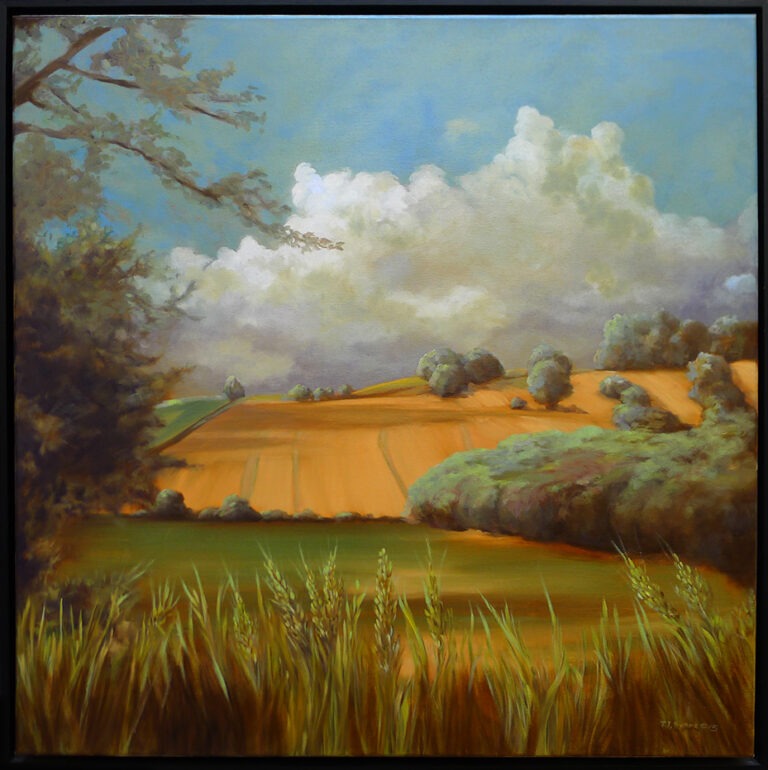
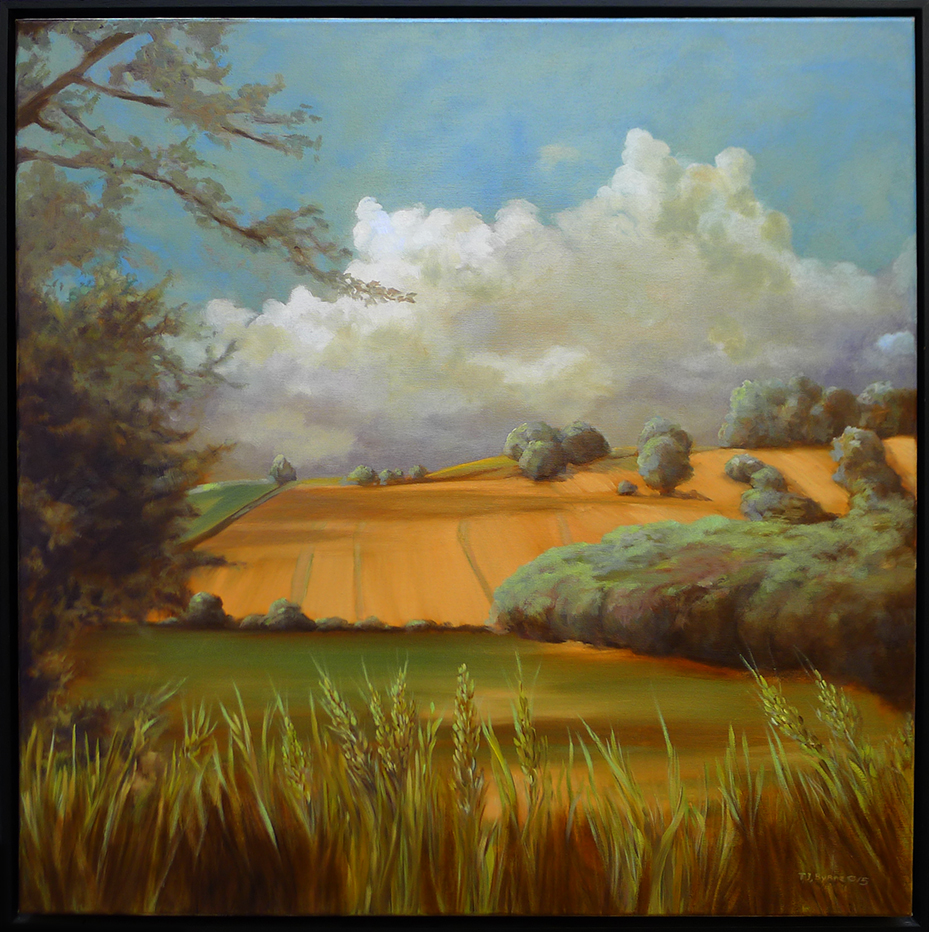
Oil on canvas.
79 x 79 x 4 cm
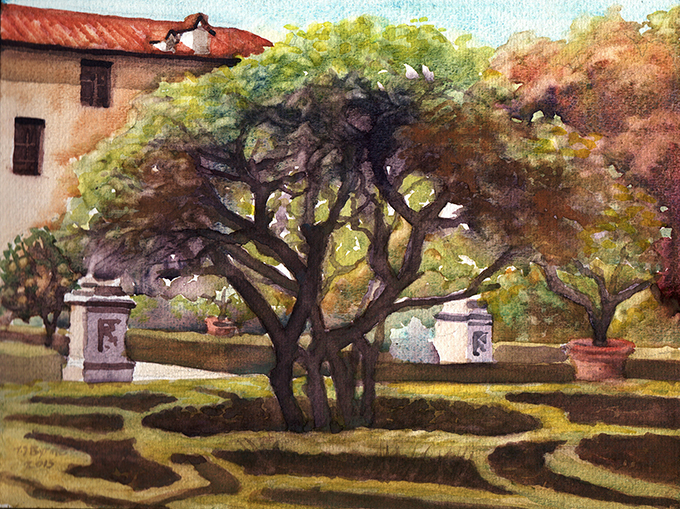
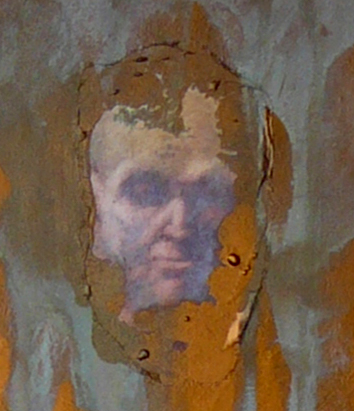
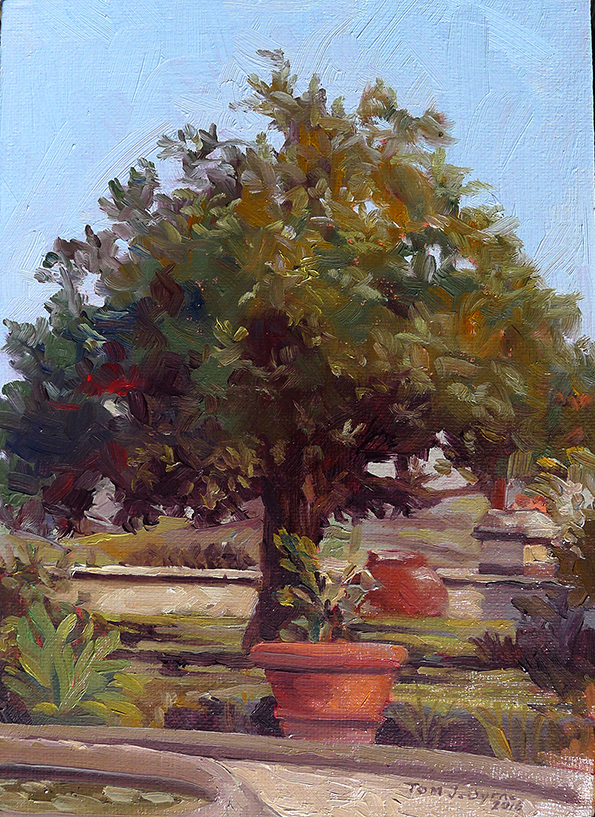
Tom J. Byrne is an Irish Painter who recently came to Florence to further his education in Fine Arts. After completing his studies in the Angel Academy of Realist Art he set out on the path of Plein Air Painting and now works in conjunction with the luxury art school, Tuscany Plein Air as the head workshop instructor. His more personal works involve channeling. Painted in watercolor and bronzed these more morbid works come out, ironically when he is most at ease and content in life.
He has been an artist for 25 years and for 4 years ran art galleries in Paris, on the Ile Saint Louis. While in Paris he also studied with several master painters such as Jorge Hermle, Shane Wolf and Pierre Le Goariguer.
He has an upcoming exhibition of recent paintings in the Silvana Vegan Restaurant on Via De Neri 12/r 50122 Firenze. Italy.
The art captures in the Plein Air Style the Italian landscape and some personal fantasy paintings.
Tom J. Byrnes work can be found at the following website: www.tjbyrne.com
Meet French Collage Artist Musta Fior

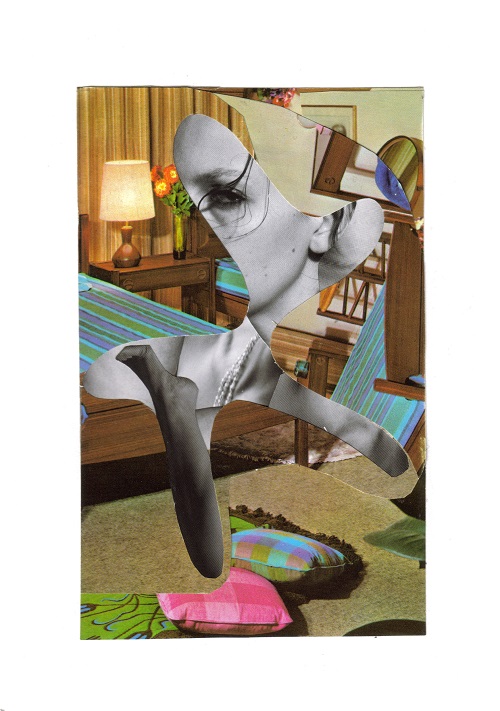
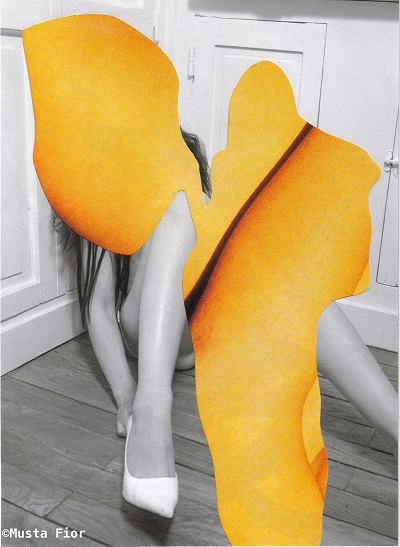
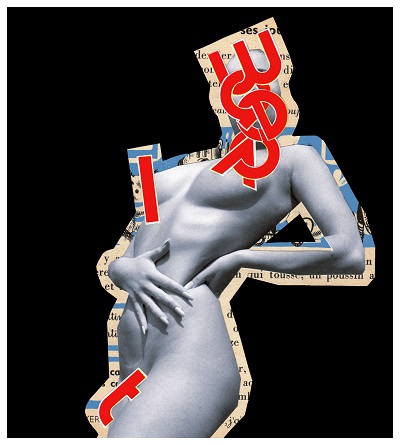
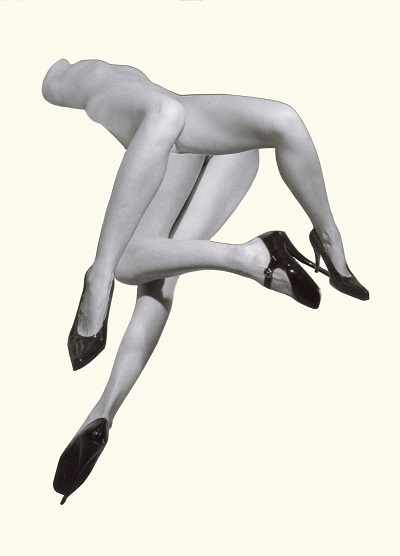
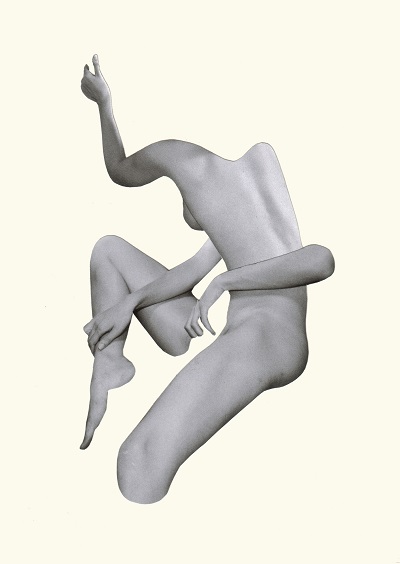
Musta Fior is a French collage artist who works and lives on the Atlantic Coast. He is a self taught. He did not study art or learn from the school of fine arts. He started sticking around five years ago, like that, just for fun. It was after his first collage posted on social networks that he found his collage was appreciated. Then, he posted a second collage, and it was appreciated too, so he posted a third and more. Since then, over time, and having received good comments about his work, collage became a passion for him.
Musta Fior mainly produces different series that may have relationships with each other or not. At the moment, these series concern working on the disintegration of corps like the series “Calendar Girls”. For this, he immersed himself regularly in his archives, old papers, magazines, books, and images of all kinds to extract images with which he is working on a specific set. These sets usually include nine or twelve collages. After cutting the elements used for these series, he retains all the little cuts of remaining paper and with these elements, realizes a large abstract series. These are completely instinctive series.
He’s always looking to create something new, when he finds a collage is successful, it will invite him to make a second, so to make an entire series. This is often accidental introduction of elements or fragments that allow it to then organize something specific.
Musta Fior, thanks to social networks, has had the chance to meet many international collagists with whom he has done many collaborations.
A very important thing to note is that the music is a very important art for him, even vital. Thus, music is an integral part of his creative process, he listens constantly in his collage work.
Influences on an Artist: An Interview with Gottfried in Berlin

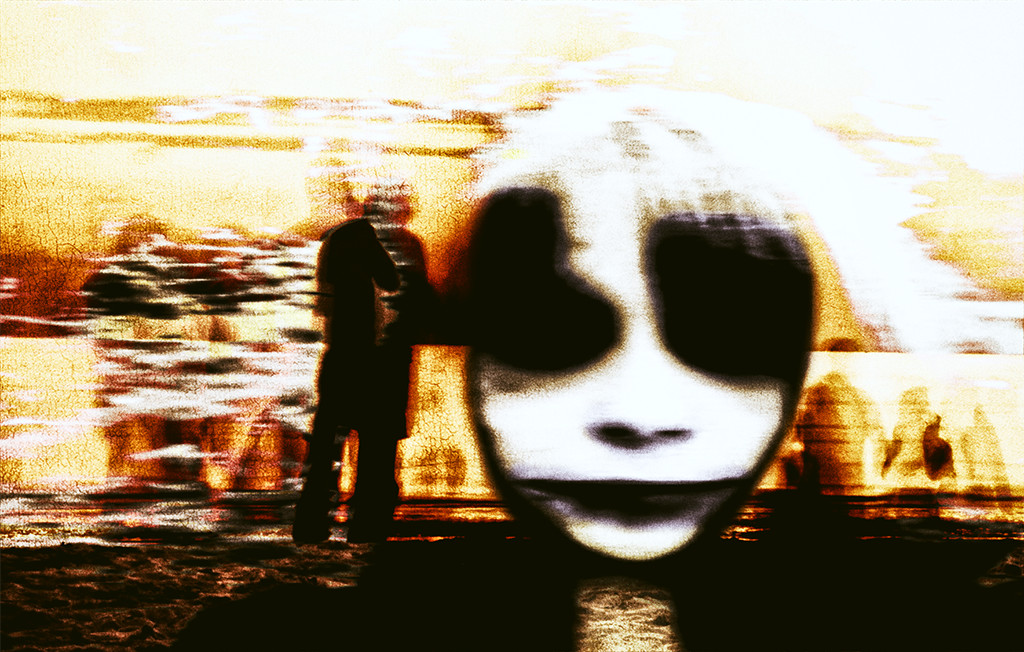
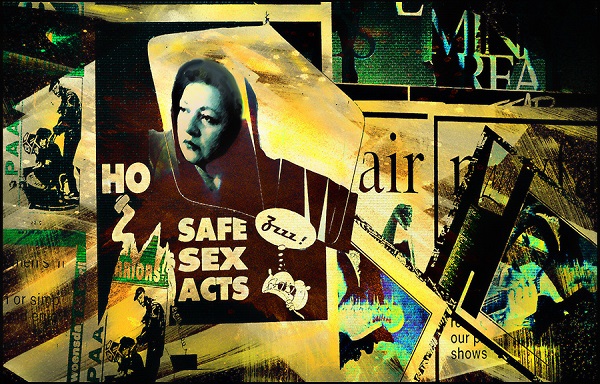
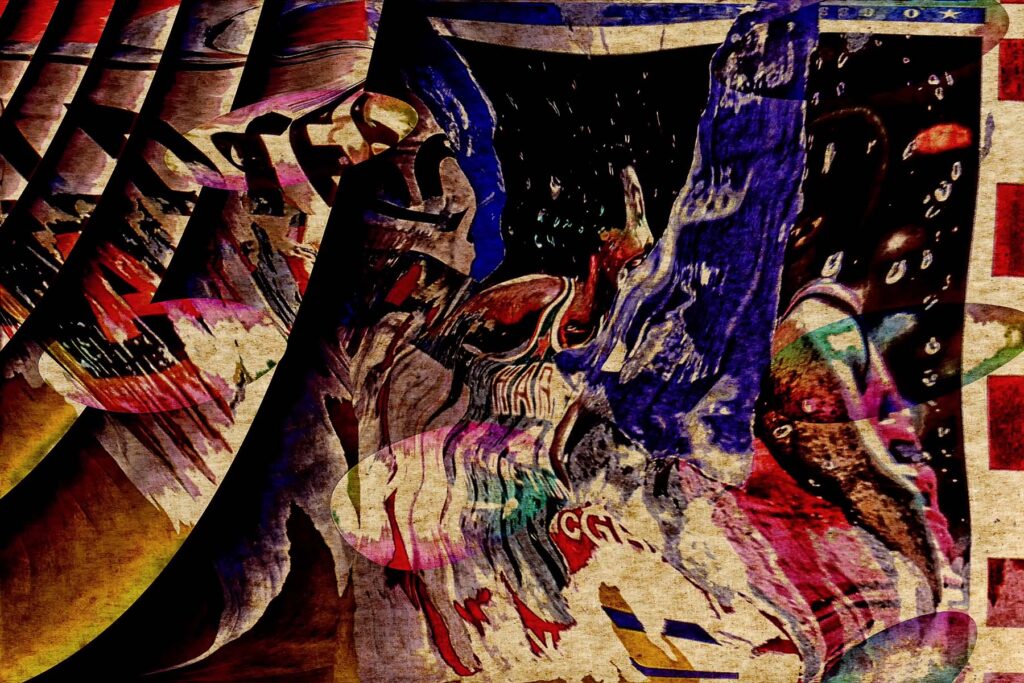
By Elisabeth Rasch
Home of Gottfried Berlin
Gottfried in Berlin was the standout choice for this interview, not only because his work represents a fairly broad canvas, but also because it reflects change over time.
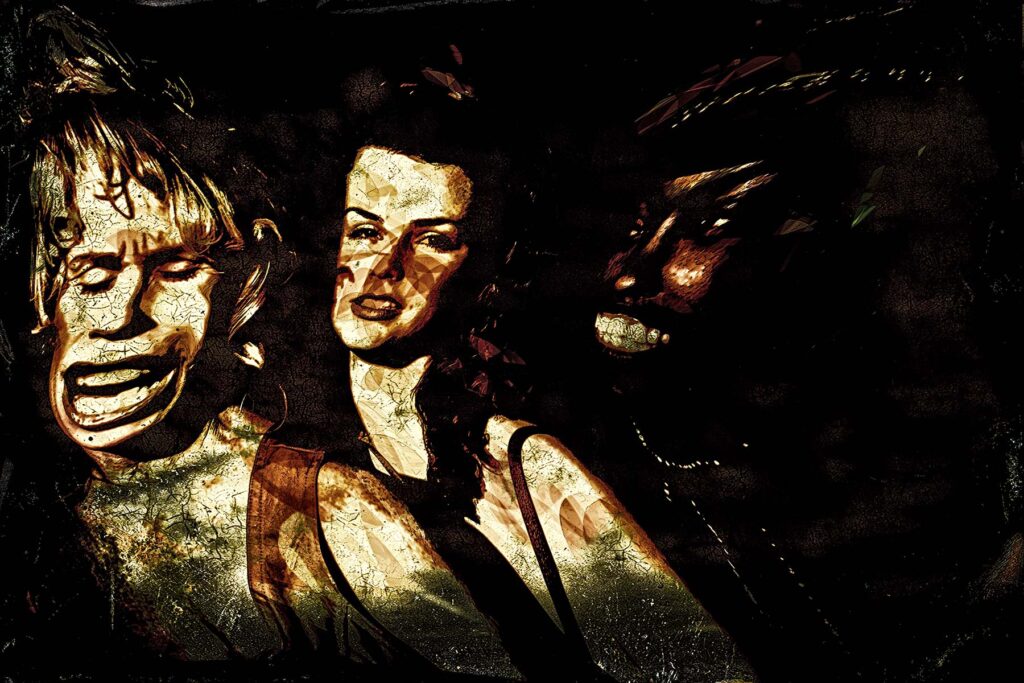
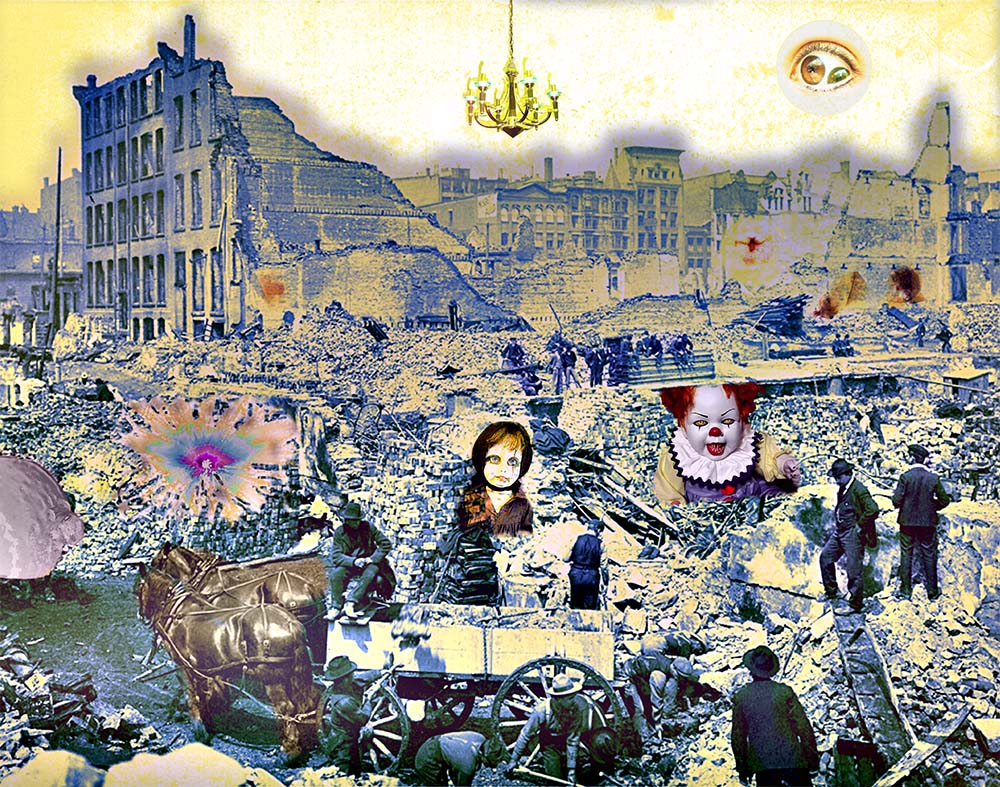
He describes himself in a short bio as being “… an artist/art-photographer, whose works have been conceived over a period of thirty years on three continents. They are produced in oil, acrylic, crayon, pen, as well as quite a lot in a mix of those media, and, during various earlier periods, predominantly on negative and transparency film.”
Although his bio goes on to say, “The nature and styles of my works are very broad, because I believe an artist can often express life experience and perception of the world in different genres of art…,” his more recent work shows a narrowing of preference for expressionism—both surrealism and abstract.
For this interview, I visited Gottfried in his comfortable and very tidy apartment in an area of Berlin that was once part of East Berlin, before the wall came down. He dislikes being disturbed in his studio.
He tells me that he feels very comfortable in this particular area of the city, which has over 5,000 resident visual artists and more than 400 art galleries. He reminds me that just a few of the current “names” from Berlin include Joseph Beuys, Anselm Kiefer, Nam June Paik, Bruce Nauman, and Gerhard Richter.
The walls of Gottfried’s apartment are adorned, judiciously, with the works of other prominent artists. Very little of his own work is on display; he regards that as presumptuous in the face of friends and visitors.
Nonetheless, even from the works he has hung—and their placement—one senses structure, particularly in his earlier work. At the same time, his present predilection for freedom from structure is equally apparent.
Interview
E.R. What would you say are your reasons for producing works in different genres?
G. On a higher plane of thinking, there are art styles which correspond to different philosophical concepts.
E.R. But how does that, in practice, affect the choice of area in which you work?
G. In a way, it is complicated, but I value some art styles more than others. It often comes down to the mood I’m in when I begin a work.
On the other hand, I may already have an idea of the subject matter—perhaps a story or an emotion—and that leads me to choose the genre as the vehicle for expressing the concept.
I value realism in some cases because of its ability to create strong impact at a superficial level. I value impressionism in others because it can add meaning at a more subconscious level. That added meaning often comes with abstraction. I suppose that is why the term abstract expressionism was coined.
E.R. But most of your recent works sit within expressionism, don’t they?
G. That is fairly true, because pure expressionism raises perceived feelings about the subject. It is more about our reaction than the subject itself. Even though it abstracts detail, it is, in a sense, a value-added representation.
E.R. And you also work in pure abstraction?
G. Yes. Those would be classified as modern abstract art, which is not really tied to any identifiable subject. It is a representation of nothing in particular—yet still carries emotional meaning.
Most of my abstract work is lyrical abstraction, where feeling is expressed through imagery that is often formless, but intended to evoke meaning—though ultimately, the viewer creates that meaning.
E.R. Are you saying the viewer determines the meaning entirely?
G. Often, yes. There can be multiple meanings—almost like parallel universes. In truth, the meaning is what the viewer chooses to give it. That’s part of the attraction.
E.R. Do all viewers understand that?
G. No. Some dismiss it—“My three-year-old could do that.” But creating abstract expression is often more difficult than rendering reality. It’s not about drawing—it’s about translating perception into something that produces an effect in the viewer’s mind.
E.R. What art form do you prefer overall?
G. It’s not about preference. For me, it’s people—their expressions, their eyes as windows to the soul—regardless of the form.
E.R. So you focus on portraiture?
G. Not at all. I have little interest in portraiture. My work aims for deeper meaning. Many works don’t even include faces.
E.R. What kind of meaning do you strive for?
G. Often something universal, or something specific to the subject. Some earlier work explored elements of fetish—though not exclusively. When people pursue desires, you see the widest range of human expression.
From Spray Can to Canvas: Berlin Artist Remy Uno

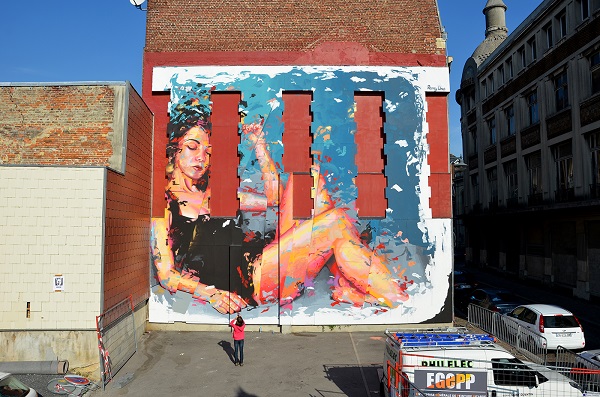
I started with graffiti at the end of the 90’s, so my first tool is spray can. But I now I use pretty much everything such as Acrylic and more recently oil on the canvas, and sometimes a little spray and on walls, or cans and roller.
I have an exhibition in January in Espronceda, Barcelona.. It’ll be the result of a residency. I hope it’s gonna be nice.
Otherwise, when I was more into graffiti, I was invited to many countries and festivals such as Moscow, Johannesburg, Mexico, Yaounde (Cameroon), Morocco, Bristol, New Nork, Sao Paulo, Caracas… And I’ve exhibited in London, Berlin, Paris, Gold Coast in Australia and of course my hometown of Marseille, France. But to be honest, I never had a solo show in any major city, I have just been doing canvas seriously for a couple of years, so I’m pretty much unknown.
I’ve been living in Berlin for 2 years, it’s a great city to raise my daughter with my wife, and paint.
My url: remyuno.com